Wednesday, December 17, 2025

Blog Post #17: Alternating Effects on Teenagers

 To summarize my research on mental illnesses, I've decided to go over the alternating effects of them on teenagers and their surrounding communities. 


Overall, mental illnesses have a ripple effect on a teenager's mind as well as their surroundings. There are often emotional struggles like depression or anxiety, academic challenges, risk-taking behaviors, social isolation, and physical health impacts. 


These mental illnesses have effects on surroundings, like their families. Parents and siblings may feel overwhelmed or worried, peer relationships can fail which may lead to bullying or exclusion, they may have a disruptive effect on their school environment, and they can have an effect on their community like healthcare systems.


The reason why these disorders and illnesses are important is because one in seven adolescents worldwide experience a mental disorder, making it a major public health issue. Also, suicide is the third leading cause of death among 15–29-year-olds which shows how untreated illnesses can become dangerous. 


In order to fully represent the struggles that teenagers go through as they experience the world around them, I will use my research and create a short film on how teens struggle daily. 

Blog Post #16: ADHD

Like my previous blog posts, I am researching the possible illnesses that my main character could have. While they aren't going to be truly defined, I want to see which one I could portray in film the easiest so that audiences can understand what I'm representing. So, I want to research ADHD. 


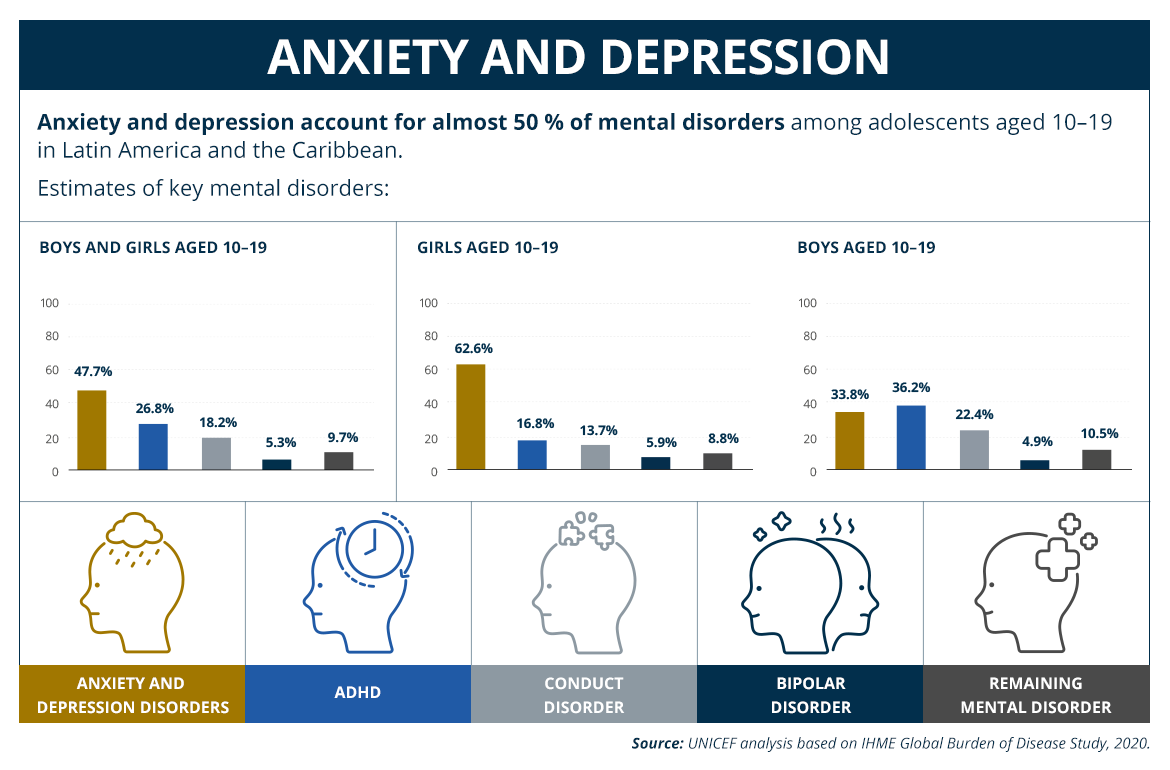
Technically, ADHD is a neurodevelopmental disorder. It often has a drastic impact on a teenager's daily life, especially since it can make schoolwork and social interactions a challenge. There are differences in genders, though. For example, boys are more likely to show impulsive behaviors while girls often have more anxiety.


Some common symptoms of ADHD are:

  • Struggle to focus on tasks at hand
  • Impulsivity
  • Hyperactivity
  • Poor time management
  • Emotional dysregulation


What makes ADHD stand out compared to mental illnesses is the fact that it stems from differences in brain development and function while mental illnesses are psychiatric conditions involving mood and emotion. ADHD symptoms also predominantly involve inattention, impulsivity, and hyperactivity that stay even when moving settings. Both ADHD and mental illnesses can interfere with daily functioning, but ADHD is ultimately more neurological compared to mental illnesses like depression.


Blog Post #15: Depression in Teenagers

 To go over any possible illness that my main character could have, I decided that researching depression would give me a better view on another illness that effects teenagers daily. 


Depression in teenagers is a rising rate, with roughly 1 in 5 teens experiencing a major depressive episode. However, LGBTQ+ youth members are about 6 times more likely to experience depression. In 2023, the Trevor Project provided the evidence of 53% of LGBTQ+ youth reporting depression. 


There are often driving factors that lead to depression for teens in LGBTQ+ which are the lack of acceptance for them, the lower family satisfaction, the cyberbullying that occurs sometimes, and their lack of access to desired mental health care. There are also protective factors to help prevent the rates which are inclusive schools, accepting families, and development of coping mechanisms.


In general, depression in teenagers is gradually increasing. Over 50% of teenagers experienced persistent sadness or hopelessness. Depression can show signs of:

  • Persistent sadness
  • Increased irritability
  • Feelings of worthlessness
  • Loss of pleasure in previously enjoyed activities
  • Withdrawal from social connections
  • Decline in school performance
  • Changes in eating habits
  • Changes in sleep patterns
  • Increased fatigue
  • Talk about death
  • Extreme anxiety
  • Loss of control


Overall, the depression rates in teenagers is turning into a large problem, especially since over 50% of girls experience persistent sadness, which can count as a symptom of depression. So, this connects to my project because it gave me a stronger amount of knowledge on depression and it gave me more ideas to include in my project to represent teenagers with mental illnesses.


Tuesday, December 16, 2025

Blog Post #14: Anxiety Disorders

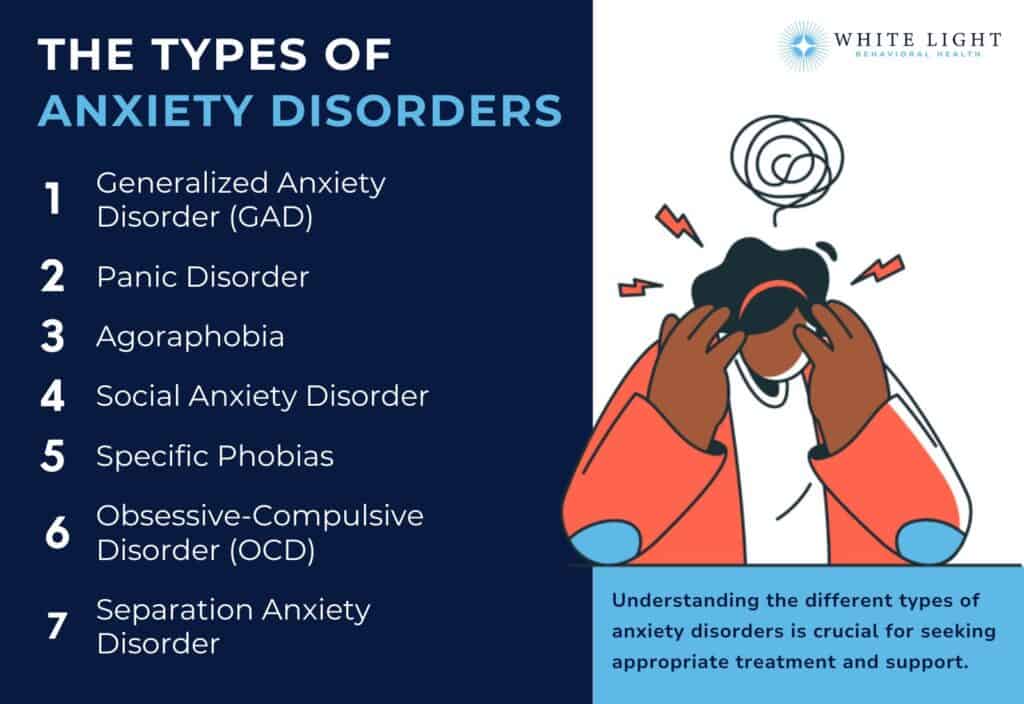
To study what could possibly be wrong with my main character who portrays multiple symptoms of many disorders. The most commonly diagnosed anxiety disorders in teens are Generalized Anxiety Disorder, Social Anxiety Disorder, Separation Anxiety Disorder, and Panic Disorder. 


The Anxiety Disorders:

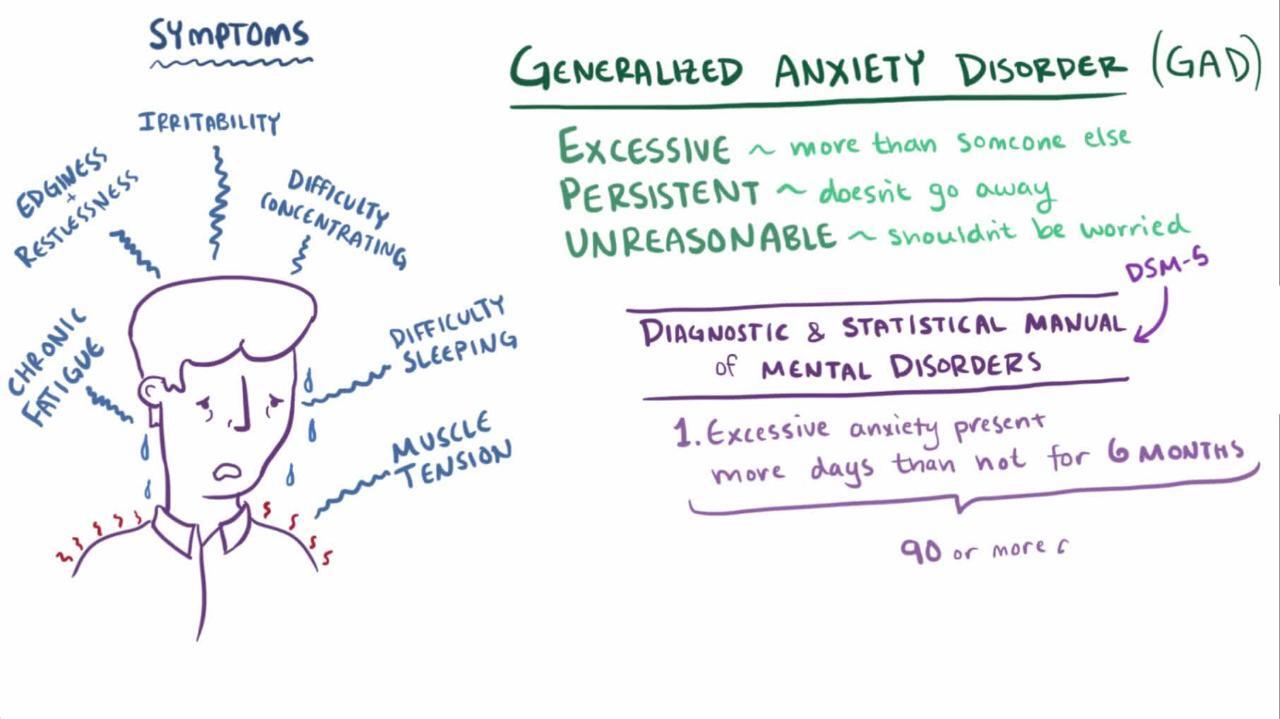
Generalized Anxiety disorder is diagnosed due to an overwhelming worry about certain things with little reason. It leads to physical symptoms like headaches, fatigue, and difficulty concentrating. 


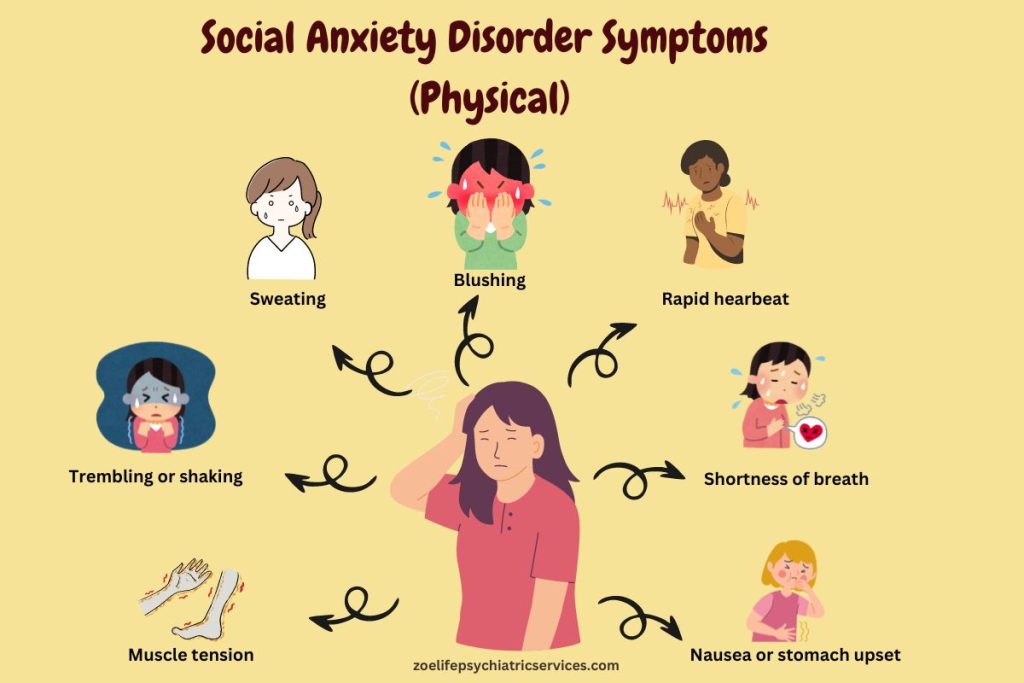
Social Anxiety Disorder is diagnosed due to an intense fear of being judged or rejected in social situations which causes physical panic and avoidance of most people.


Separation Anxiety Disorder is diagnosed due to the excessive fear of being away from parents or home, which manifest as the refusal of school or being overly clingy towards comfort characters.


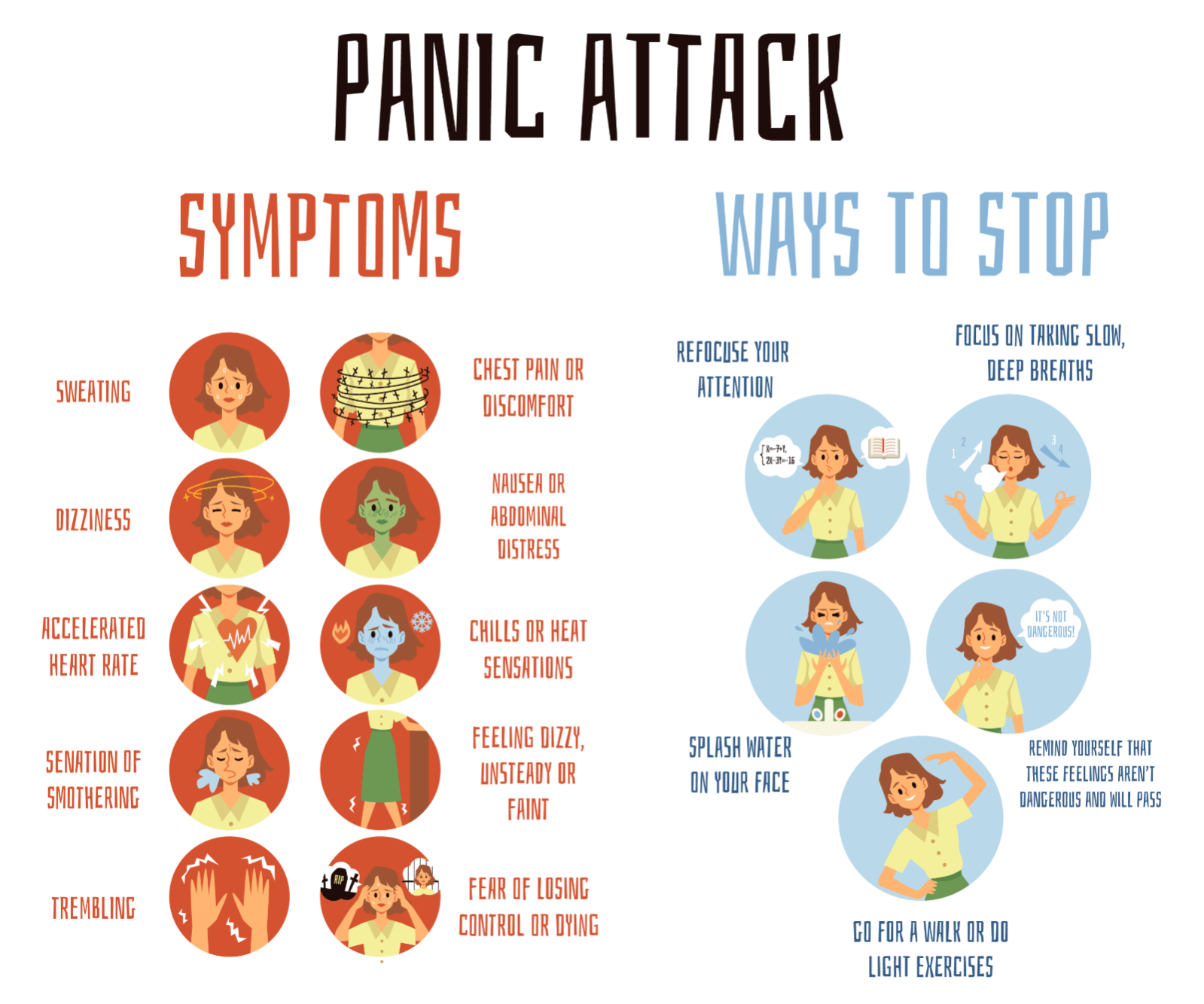
Panic Disorder is diagnosed due to the sudden or intense episodes with heart racing, sweating, and shortness of breath. There is a fear of dying or going crazy that they create in their minds as well.


These anxiety disorders are getting pretty common in teens because adolescence is a time of significant social and academic pressure. These anxiety disorders can either start or worsen throughout their teen years, which can be treated if diagnosed properly. However, common traits that psychologists look for in teens to help determine whether a teen has a disorder or not are: 

  • Excessive worrying
  • School refusal
  • Social withdrawal
  • Irritability
  • Physical illness or complaints
  • Sleeping issues


Sunday, December 14, 2025

Blog Post #13: Mental Illness

 Since my short film is about mental illnesses in teenagers, often going unnoticed, I want to research it. 


Teenagers usually experience mental health issues that go unnoticed or untreated because of how young they are. Some of them have trouble expressing their feelings clearly, which is why they struggle finding help. Also, there's a fear of rejection or exposure of their private selves to their world. Untreated mental health issues in teens can turn into something dangerous. There is an increasingly large number of teens who experience academic failure, suicidal thoughts, and even self-harm. However, there are signs that teens may give off to help them with their situations.


Emotionally, they may be sad or irritable, guilty, worried, or they may have withdrawal from activities they enjoy. Behaviorally, they may have a decline in school performance, they can have reckless behavior with drugs, they may avoid social situations, or they could have a drastic change in sleeping or eating habits.

To accurately represent these struggles in teenagers, I will use these traits to demonstrate how difficult it may be for a teenager to live their life normally with no hardships. I will use my cast members to help with this.

Blog Post #12: Teen Maturity

 Since my short film is almost like a coming-of-age film, I would like to research the common effects that maturity has on teenagers in terms of stress and growth. 


According to BJ Casey, a professor of psychology at Yale who directs a "Fundamentals of the Adolescent Brain Lab", the shift from childhood to adulthood is never linear. Often times, people have adult models as they grow and mature into an adult, which makes them automatically have an expectation to become that adult. The time period between puberty and a person's mid-20s is when the brain grows and changes by thinning the gray matter in the cerebral cortex while white matter connects the brain increases. 


There are large sums of research that explain how much of a change that maturity changes a person, but I specifically want to research high schoolers and the way that they think about certain things. So, discovering yourself as a teen is incredibly important, because of the amount of engagement and motivation that it generates. It can also allow for a better readiness for the future.


As a teenager myself, I believe that maturing is a vast skill, whether it's personality or even just your status and role in the world. I know this because of psychology. In psychology, which studies the brain and development of humans, there are tests to help determine maturity. There are multiple personality tests out there, giving students a guide to understanding who they are as people. These personality tests come in handy for psychologists, so I will be using personality tests on my cast members to help retain my whole goal of my short film- to represent mental health.


Blog Post #11: Marketing

 So, most short films have marketing anywhere they can reach with the budget that they have. Often times, there are advertisements for them on social media platforms. However, with some research, I have figure out that there re specific websites just for advertising short films with good reviews or good interpretations from audiences. Websites like Vimeo, Nowness, and Short of the Week are some good websites that help advertise short films and generate the directors a larger audience. 


These websites can generate a lot of interest from audiences for certain movies, but it's only a small portion. 


Most films have accounts made specifically for their film to spread the word. They also use famous or well-known people in their advertisements, a rhetorical appeal called ethos. Ethos is used to help establish the credibility of films, ultimately benefiting the film company distributing and marketing the movie. 

Blog Post #10: Production Studio Research


For most if not all popular films, there's always a production company that supports the director with their movie. Some short film production companies in Florida are Bellows Film Lab, Fusion Studios, and Vibrant Media Productions. However, because these companies are lesser known, I would like to research large productions studios. 


Some big production studios are Warner Bros., 20th Century, and Universal Pictures. While most of these production studios seem like the same thing, they are all different in their own ways. Warner Bros. is most known for their DC movies while 20th century is known for the X-Men franchise and Avatar. Then, Universal Pictures is known for Jurassic Park and Fast and Furious along with some classic horror films. 


These companies have all been running for years upon years and the reason why they're still standing as companies is because of the growth that they've had over the years; they had the ability to evolve as companies. 


The reason for my research on production studios is because I want to create one of my own. To do this, I will use a name generator. However, since most studios have "company" after their name I want to include that. I used titlegenerator.com and my top recommended title was "Mindscapes." I love this and I think that it will create a mysterious aspect to my film. 


Now, for my logo. Most large companies have simple opening scenes for their logos so I definitely want to create something that catches the eye. I want to use a puzzle piece made out of a brain. Eventually, I will create an opening transition scene for my production company. I want the brain pieces to come together and form a puzzle piece. 


Here is my inspiration for the brain, very cartoon-like. 


Monday, December 8, 2025

Blog Post #9: Preliminary Exercise


I chose to record this clip because the walking down the hallway can express a sense of loneliness. Also, the handheld camera movement can seem like a stalker or stranger watching over the girl.


The door opening along with the over-the-shoulder shot can represent new beginnings. The door opening can mean that the girl is leaving behind her past and entering the present.


The close-up shot of the computer being closed can represent issues or conflict. The closing shows a sense of exhaustion.


The girl typing on the computer with an over-the-shoulder shot can represent hard work. 

Reflection: 

My media skills have improved, but I would like to use more elements in my camera movements. Over the course, I've learned better positioning for my videos and I will continue to improve.

Wednesday, December 3, 2025

Blog Post #8: Social Media Usage

 To understand how audiences would come across an Instagram account for my short film, I will be researching how social media works and how advertising for films on social media works as well. 


Blog Post #7: Post Cards

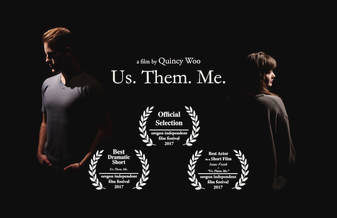
 For my short film, I will have to use a post card to advertise my short film. So, I will research some common post cards to see during a festival. 


Here are some of the post cards that I found online:


Tuesday, December 2, 2025

Blog Post #6: Film Festivals

Since I'm doing a short film, I want to research the film festivals near me. Some film festivals in Florida are "Love Your Shorts Film Festival", "Florida Film Festival", and the "Gasparilla International Film Festival". All of these festivals specifically show short films to their audiences at the festivals. Most of these festivals offer awards for the winners. These awards can make people want to participate and showcase their short films that they believe are their best creation. 

Monday, December 1, 2025

Blog Post #5: Mood boards

 To grasp the complete concept of my short film, I have decided to make a mood board. A mood board allows me to put many images together to show what my project is essentially about. 


This is a complete mood board on what I want my short film to feel like. 


The Flowers: The flowers represent growth. Flowers are constantly growing with the right nutrition and resources, so as my main character grows as a person they will begin to thrive. The childish effect that the drawn flowers give off allow me to show that the person in the film is still growing as a person; trying to figure out who they are.


The Camera: The camera represents the emotion behind it. I want to include old-school clips of the main character filming themselves and their friends. I want to create a fun perspective for the audiences, while expressing the many emotions that people experience while growing up as a teen.


The Candy: The candy represents childhood. Candy is more likely to be connected to children. I want my main character to show childish aspects while growing up. The reason for this is because in today's generation it is harder to keep childish aspects when everyone is constantly trying to mature too quickly. 


The Mind: The mind represents the psychology behind the film. As a student who has taken multiple psychology classes, I wanted to input the idea of a possible mental illness into the audiences. While the mental illness would never be revealed, I want audiences to believe that there may be one.


The Cries: The cries represent the amount of emotion in the film. Like I said before, I want to represent the large amount of emotion that's in a teenager as they figure out who they are. As a teenager myself, I am still figuring out who I am so in a way this short film reflects my inner thoughts on childhood and coming-of-age.


Blog Post #61: Critical Reflection

  My media studies film was the most time-consuming assignment that has resulted in a perfect outcome.  I used multiple elements to produce ...